
A place to stop, on an island in the salt
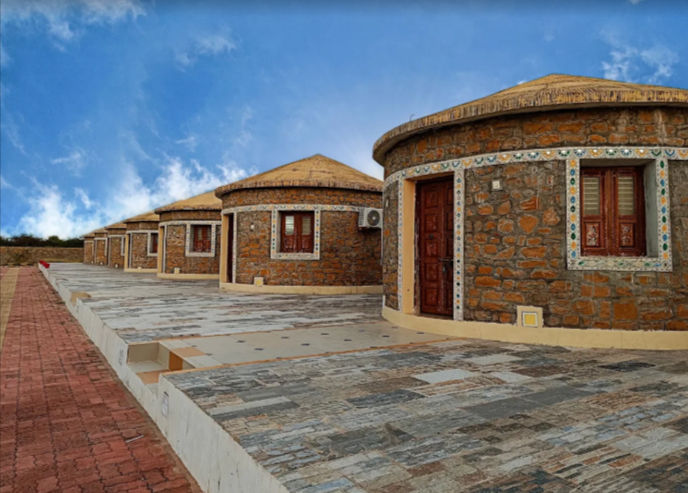
Khadir Bet is an island of land surrounded by the Great Rann. We have been hosting travellers here since long before Dholavira became a World Heritage Site.
Run by the family that lives here
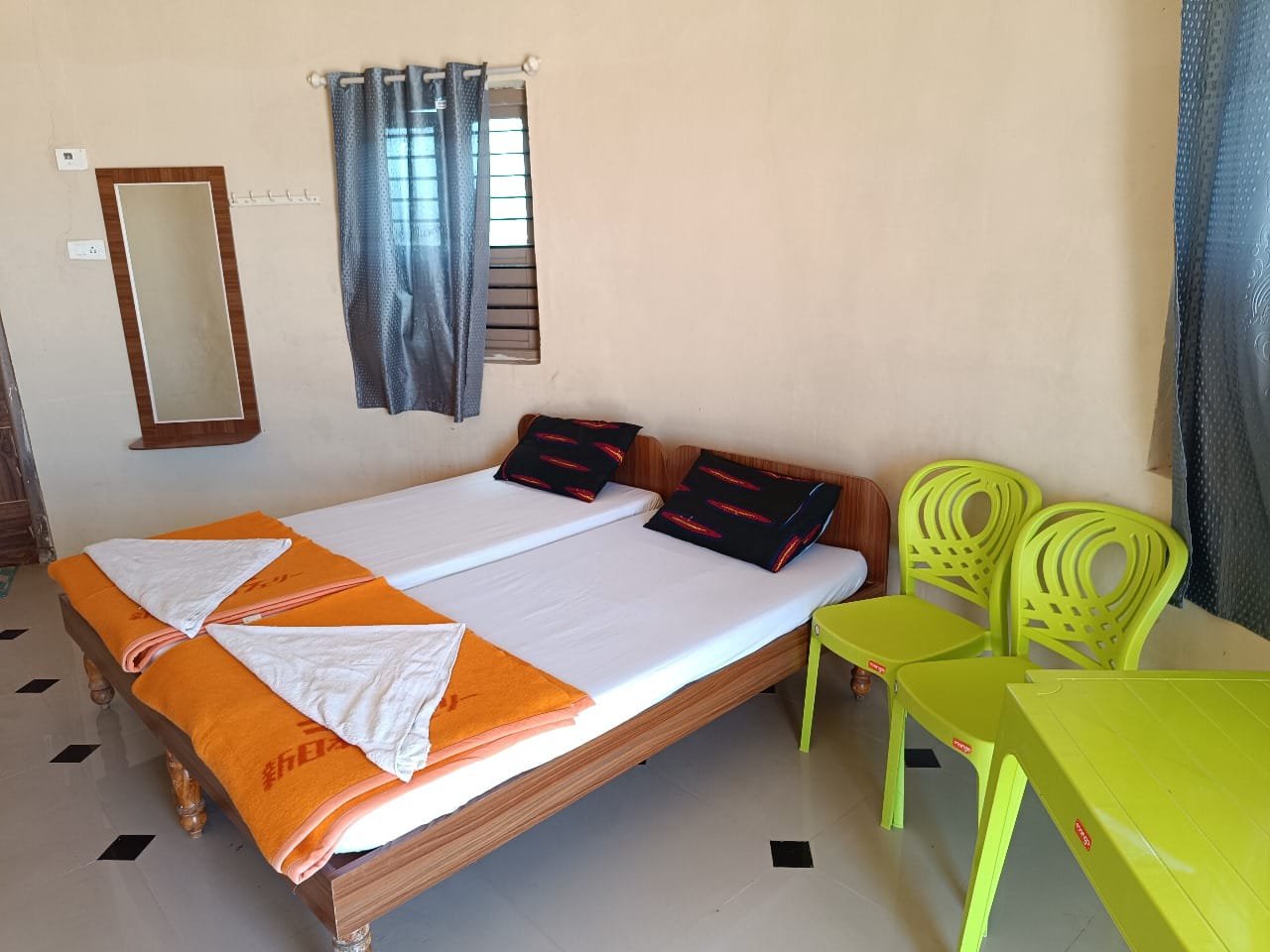
We are not a chain and we do not pretend to be a resort. We run a small hotel the way we would run a home for guests — the rooms get cleaned properly, the water runs hot, and dinner is cooked after you tell us what you feel like eating.
Most of our guests are families and small groups who have driven in from Ahmedabad, Bhuj or Rajkot, or foreign travellers who came for the archaeology and stayed for the silence. Some arrive at midnight after a long drive. We keep the kitchen and the gate ready for that.
If you tell us your plan for the next day, we will tell you honestly what is worth your time and what is not — including which spot to skip if the weather turns.
Dholavira, five thousand years on
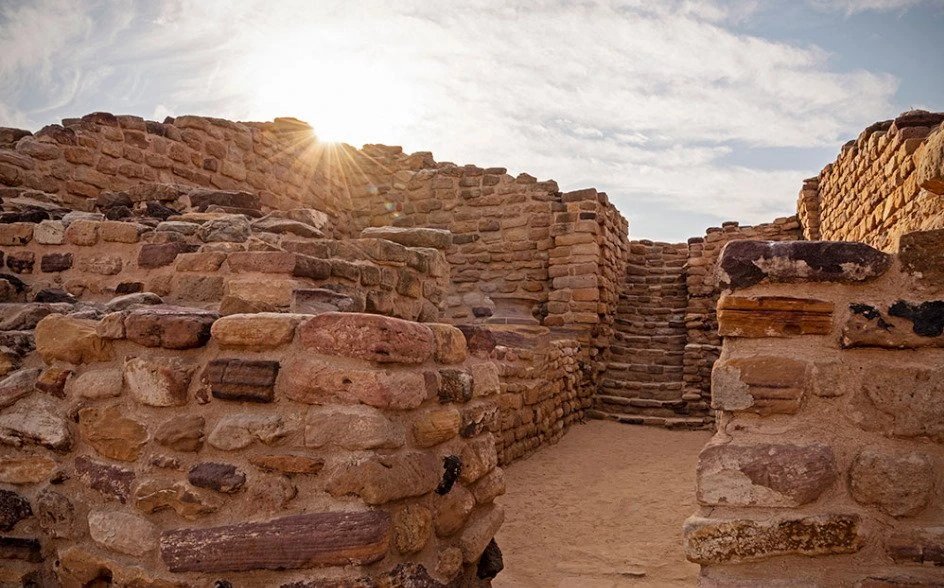
Dholavira was one of the largest cities of the Indus Valley Civilisation, and in 2021 it became India's fortieth UNESCO World Heritage Site.
What survives is remarkable: a walled city laid out in three parts, a stadium-sized open ground, and a system of stone reservoirs built to catch and hold every drop of monsoon water in a landscape that gets almost none. There is also the famous signboard of ten large Indus script characters — still undeciphered.
The site opens early and the light before ten in the morning is the best you will get, both for walking and for photographs. The museum near the entrance is small but worth the half hour.
What we look after
In-house Restaurant
Fresh Gujarati and Indian meals served hot, breakfast to dinner.
Free Parking
Ample open parking for cars, tempo travellers and buses.
Power Backup
Uninterrupted supply so your stay is never disturbed.
Hot & Cold Water
24-hour running hot and cold water in every room.
Daily Housekeeping
Clean rooms, fresh linen and spotless bathrooms every day.
Local Guidance
Help with Dholavira site timings, taxis and Rann trips.
Practical things worth knowing
Best time to come
October to March is comfortable. Rann Utsav season, roughly November to February, is the busiest — book well ahead. Summer here is genuinely harsh, and the monsoon can make the salt flats inaccessible.
Getting here
About 220 km from Bhuj and 100 km from Rapar, on a good road for most of the way. The last stretch crosses the salt flats on a causeway. Buses run from Bhuj but a private vehicle gives you far more freedom.
How long to stay
One night is enough to see the excavation site and the Road to Heaven. Two nights lets you catch both a sunrise and a moonrise over the salt without driving in a hurry.
What to carry
Sunglasses and a hat — the salt reflects hard light all day. Warm layers for winter nights. Mobile network is patchy in places, so download your maps before you leave the hotel.
Come and see it for yourself
Rooms from ₹3,500 + GST a night, with breakfast and dinner included.